Meta Title: Ethnic Dresses in 2026: Modern Indian Ethnic Wear Trends
Meta Description: Discover how modern design is transforming ethnic dresses in 2026, from traditional silhouettes and fabrics to contemporary styles and manufacturing trends.
Focus Keyword: Ethnic Dresses
Secondary Keywords: ethnic wear manufacturer, ethnic clothing manufacturer in India, Indian ethnic dresses, traditional Indian wear, wholesale ethnic wear, ethnic clothing
Introduction
Indian ethnic wear has always been more than just clothing. It represents culture, craftsmanship, traditions, celebrations, and the rich diversity of India. From elegant Anarkalis and flowing Kurtis to festive Lehengas and traditional dresses, ethnic clothing continues to hold an important place in the fashion industry.
However, ethnic fashion is no longer limited to traditional designs. Today’s customers want outfits that preserve the beauty of Indian culture while offering modern comfort, versatility, and contemporary styling.
This changing preference has created an exciting evolution in the ethnic clothing industry. Designers and ethnic wear manufacturers in India are combining traditional techniques with modern silhouettes, fabrics, colours, and production methods to create clothing that feels both familiar and fresh.
In 2026, ethnic dresses are becoming increasingly versatile. They can be styled for weddings, festivals, family celebrations, office events, casual gatherings, and even everyday wear.
The Evolution of Indian Ethnic Dresses
Traditional Indian clothing has evolved significantly over the years. Earlier, ethnic outfits were often associated with specific occasions, cultural events, or traditional ceremonies. Today, the boundaries between traditional and contemporary fashion are becoming less defined.
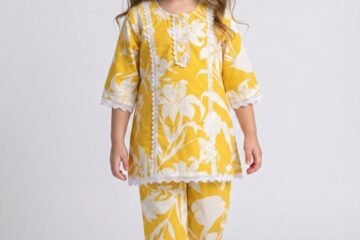
A classic Indian silhouette can now feature modern cuts, lightweight fabrics, minimal embroidery, statement sleeves, unusual necklines, or contemporary prints.
For example, the traditional Kurti has evolved into numerous styles, including:
- Straight-cut Kurtis
- A-line Kurtis
- Anarkali Kurtis
- Flared Kurtis
- Short Kurtis
- Asymmetrical Kurtis
- Shirt-style Kurtis
- Layered ethnic dresses
This transformation allows customers to enjoy the cultural appeal of ethnic clothing while choosing styles that suit their personal fashion preferences.
Why Ethnic Dresses Continue to Be Popular
One of the biggest strengths of ethnic clothing is its versatility.
A well-designed ethnic dress can be worn in multiple ways. A simple printed Kurti can work as everyday clothing, while the same silhouette with embroidery and premium fabric can become suitable for festive occasions.
Several factors are driving the continued popularity of ethnic dresses.
1. Cultural Connection
Indian ethnic clothing provides a strong connection to culture and tradition. During festivals and celebrations, people often choose ethnic outfits because they reflect the spirit of the occasion.
2. Versatility
Modern ethnic dresses can be styled for both casual and formal occasions. Accessories, footwear, dupattas, jackets, and jewellery can completely change the appearance of an outfit.
3. Comfort
Today’s customers increasingly value comfort. This has encouraged manufacturers to experiment with breathable fabrics, relaxed silhouettes, lightweight embroidery, and practical designs.
4. Modern Styling
Contemporary ethnic fashion combines traditional elements with modern aesthetics. This makes ethnic dresses appealing to younger customers who want cultural fashion without an overly traditional appearance.
Modern Trends Shaping Ethnic Dresses in 2026
The ethnic fashion market is moving towards designs that balance tradition with individuality.
Contemporary Silhouettes
One of the most visible changes is the use of contemporary silhouettes. Traditional patterns are being redesigned with modern cuts and proportions.
Long ethnic dresses, layered outfits, co-ord sets, and contemporary Anarkalis are becoming popular choices for customers looking for something different from conventional Indian wear.
Minimalist Embroidery
Heavy embroidery is not the only way to create an elegant ethnic outfit. Minimal embroidery, delicate motifs, subtle borders, and strategically placed embellishments can create a sophisticated appearance.
This approach also allows garments to remain relatively lightweight and versatile.
Statement Sleeves
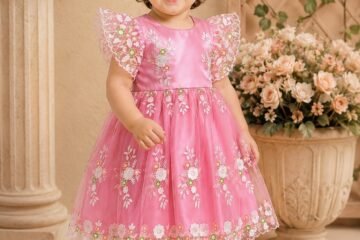
Sleeves have become an important design element in modern ethnic fashion. Bell sleeves, puff sleeves, flared sleeves, layered sleeves, and embroidered cuffs can add personality to a simple outfit.
Contemporary Prints
Traditional Indian motifs are being reimagined through modern colour combinations and print placements.
Floral patterns, geometric designs, abstract motifs, botanical prints, and traditional-inspired patterns can all be incorporated into modern ethnic dresses.
Fabrics Are Changing the Ethnic Wear Experience
Fabric selection plays a major role in the appearance, comfort, and durability of an ethnic dress.
While traditional fabrics remain popular, modern ethnic clothing also uses a wide range of lightweight and practical materials.
Depending on the design and intended use, manufacturers may work with fabrics such as:
- Cotton
- Rayon
- Chiffon
- Georgette
- Silk
- Linen
- Chanderi
- Velvet
- Blended fabrics
The right fabric depends on factors such as season, design, embroidery, silhouette, target customer, and price segment.
For everyday ethnic wear, customers often prefer breathable and comfortable fabrics. Festive and occasion wear may require fabrics with a richer appearance and better drape.
For clothing brands, working with an experienced ethnic clothing manufacturer in India can help in selecting suitable fabrics for different collections.
The Growing Importance of Comfort
Fashion trends change, but comfort remains a long-term priority.
Modern customers do not want an outfit to look beautiful only in photographs. They also want to move comfortably, sit comfortably, and wear the outfit for several hours without feeling restricted.
This is why manufacturers are paying greater attention to:
- Fabric weight
- Garment fit
- Stitching quality
- Lining
- Sleeve construction
- Neckline comfort
- Ease of movement
- Finishing quality
The combination of attractive design and practical comfort can make an ethnic dress much more appealing to today’s customers.
Ethnic Wear for Different Occasions
Modern ethnic dresses are increasingly designed around different lifestyle requirements.
Everyday Wear
Simple Kurtis, printed dresses, cotton ethnic outfits, and lightweight designs work well for everyday use.
Office Wear
Minimal prints, solid colours, clean silhouettes, and subtle detailing can create professional ethnic looks suitable for workplaces.
Festive Wear
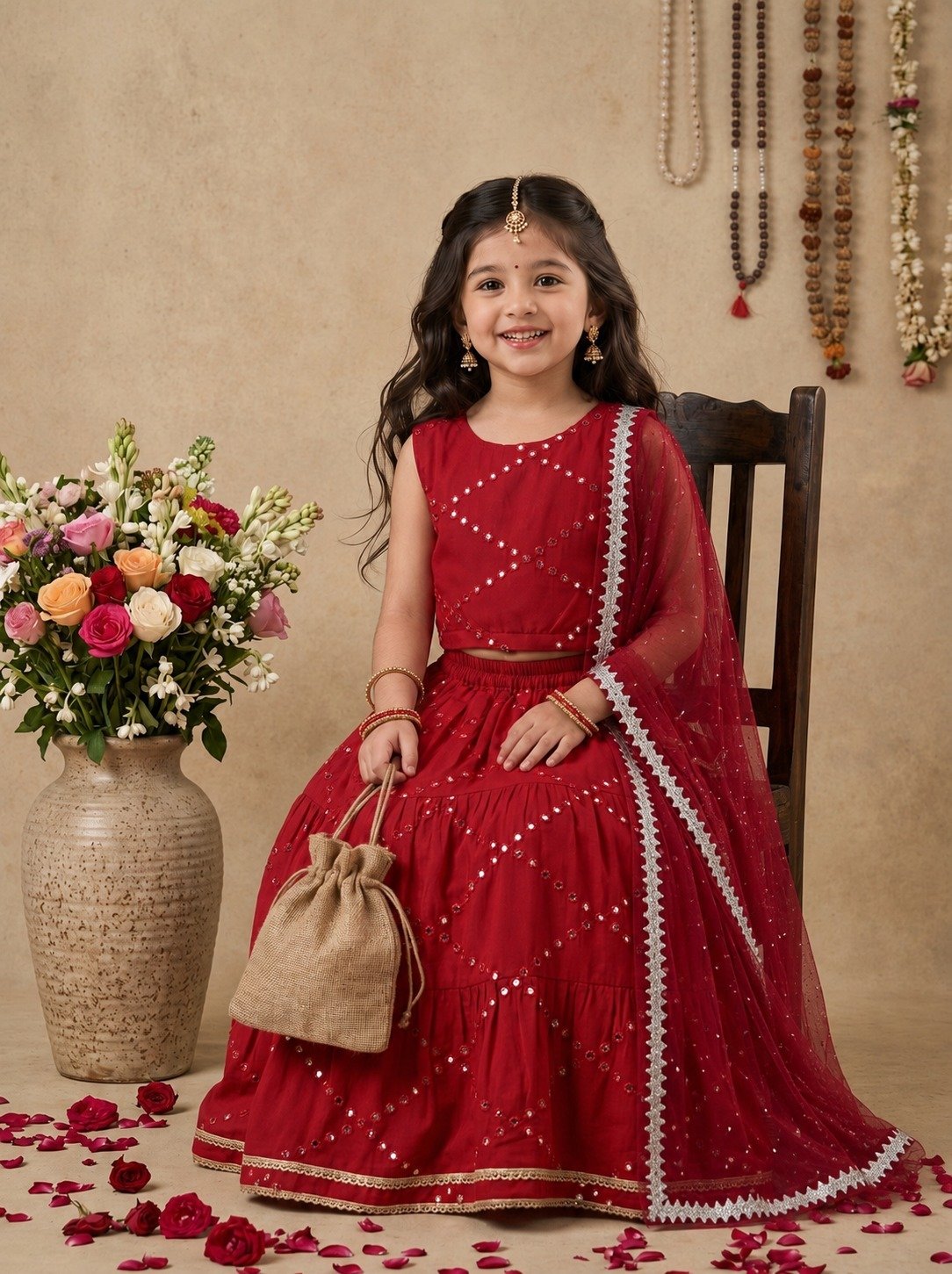
Festive collections often include brighter colours, embroidery, decorative details, and richer fabrics.
Wedding Wear
Wedding-focused ethnic clothing may include detailed embroidery, embellished fabrics, layered silhouettes, and statement designs.
Party Wear
Modern ethnic party dresses often combine traditional patterns with contemporary cuts, unusual sleeves, elegant necklines, and fashionable styling.
This versatility gives clothing brands opportunities to create different ethnic collections for different customer segments.
What Clothing Brands Should Look for in an Ethnic Wear Manufacturer
For businesses entering the ethnic clothing market, selecting the right manufacturing partner is extremely important.
A reliable ethnic wear manufacturer should understand not only garment production but also the design expectations of the target market.
Before choosing a manufacturer, brands should consider:
Manufacturing Quality
The manufacturer should maintain consistent stitching, finishing, sizing, and garment quality.
Fabric Options
A wider fabric selection allows brands to create collections for different seasons and price segments.
Customisation
Brands may require changes in colours, prints, measurements, embroidery, labels, packaging, or garment details.
Production Capacity
The manufacturer should be capable of handling the required quantity while maintaining quality standards.
Quality Control
Proper inspection throughout the production process helps reduce defects and maintain consistency across bulk orders.
Communication
Clear communication between the brand and manufacturer is essential for samples, revisions, production timelines, and final approval.
The Role of Indian Manufacturers in the Ethnic Fashion Industry
India has a long history of textile production and garment craftsmanship. This provides the country’s clothing manufacturing industry with valuable knowledge of fabrics, traditional techniques, embroidery, printing, and garment construction.
For international and domestic brands, Indian manufacturers can provide access to a wide range of ethnic clothing capabilities.
An experienced clothing manufacturer in India can help transform a design concept into a finished garment through processes such as fabric sourcing, pattern development, cutting, stitching, embellishment, finishing, inspection, and packaging.
This manufacturing ecosystem makes India an important destination for brands looking to develop ethnic clothing collections.
The Future of Ethnic Dresses
The future of ethnic fashion is likely to be defined by flexibility.
Customers want clothing that reflects their culture but also fits their modern lifestyle. This means ethnic dresses will continue to evolve rather than remain fixed to traditional designs.
Future collections are likely to focus on:
- Comfortable silhouettes
- Versatile designs
- Modern interpretations of traditional patterns
- Better fabric choices
- Lightweight embellishments
- Personalisation
- Sustainable production practices
- Improved garment quality
- Fashion-forward colour combinations
The strongest ethnic clothing brands will be those that understand this balance between tradition and modern consumer expectations.
Conclusion
Ethnic dresses are experiencing a new phase of evolution. Traditional Indian aesthetics are being combined with contemporary silhouettes, comfortable fabrics, modern prints, and practical designs.
For consumers, this means more choices and greater versatility. For clothing brands, it creates opportunities to develop ethnic collections that appeal to both traditional and modern customers.
The success of an ethnic clothing collection ultimately depends on more than just its design. Fabric quality, manufacturing expertise, finishing, consistency, and attention to detail all play an important role.
For brands looking to develop ethnic clothing collections, partnering with an experienced ethnic clothing manufacturer in India can provide the manufacturing expertise needed to turn creative concepts into market-ready garments.
Looking for an Ethnic Clothing Manufacturing Partner?
At Pinakinoverseas, we understand the importance of combining attractive designs with dependable garment manufacturing. Whether you are developing a new ethnic collection or expanding an existing clothing range, choosing the right manufacturing partner can make a significant difference.
Explore Pinakinoverseas for your ethnic clothing manufacturing requirements and bring your next collection from concept to finished garment.